


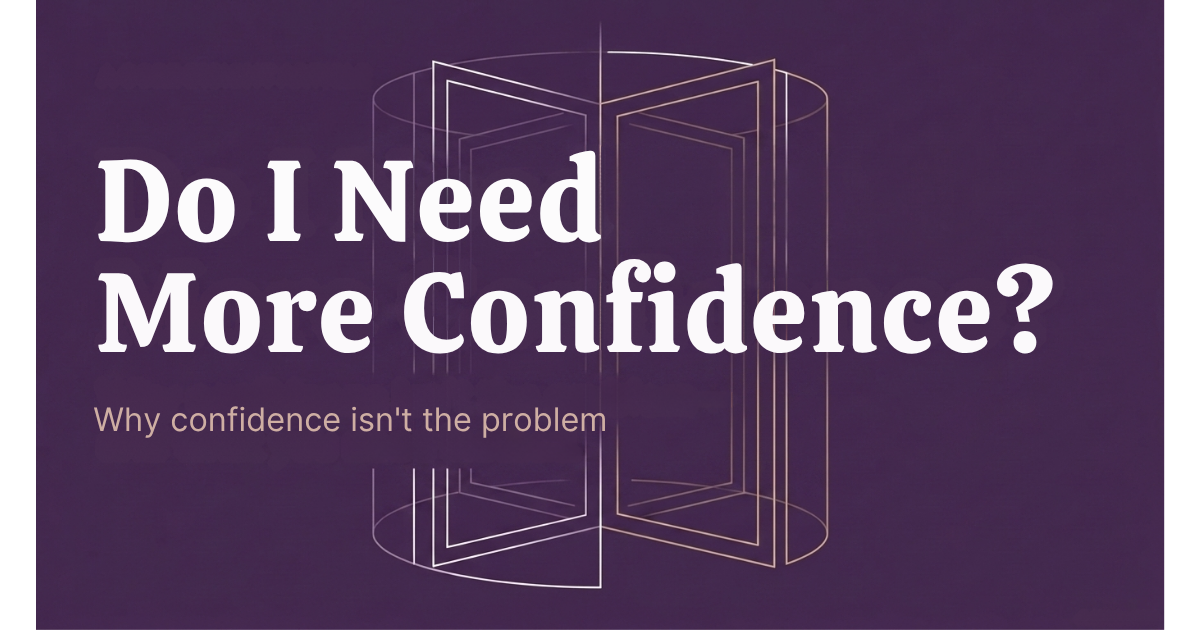
I was standing out the front of the revolving door, unable to walk into the building where I had spent 7 years of my. Including 3 promotions and numerous exciting roles. This time was different, I wasn’t coming in to start a new exciting promotion or opportunity, or even a normal work day. I was coming back with no clear path of what happens next. After more than 12 months of maternity leave I didn’t know what my value was anymore.
I didn’t want to be returning after so long away. Priorities had shifted for me and I was unsure whether my skills still existed.
It took a week before something shifted in me.
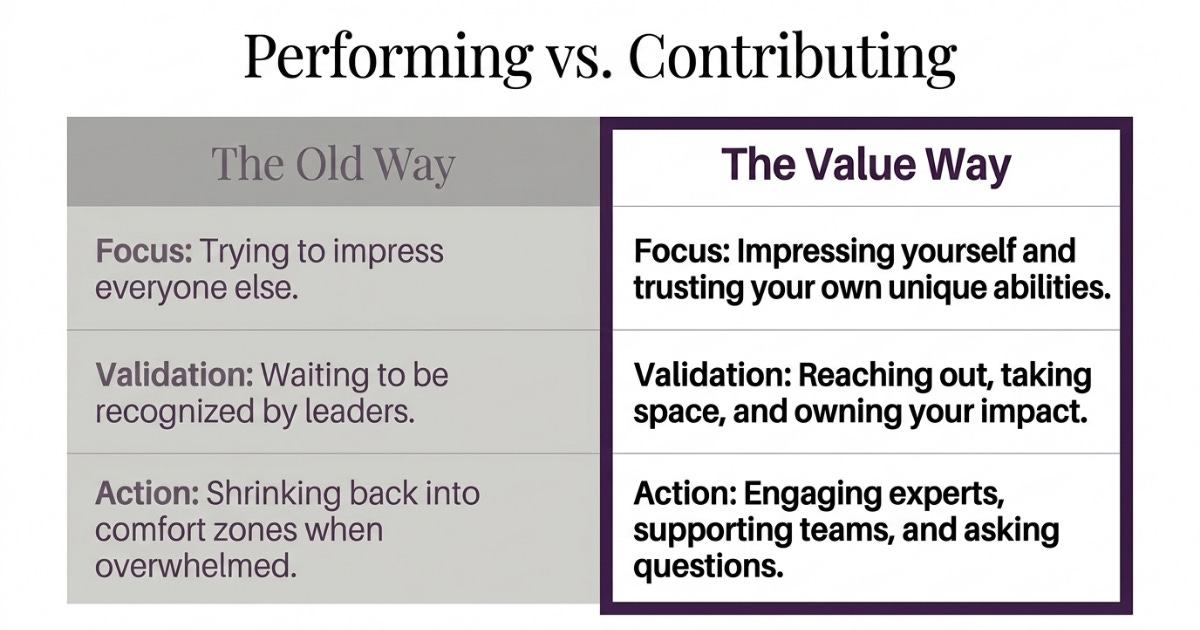
I stopped trying to impress everyone else and started trying to impress myself.
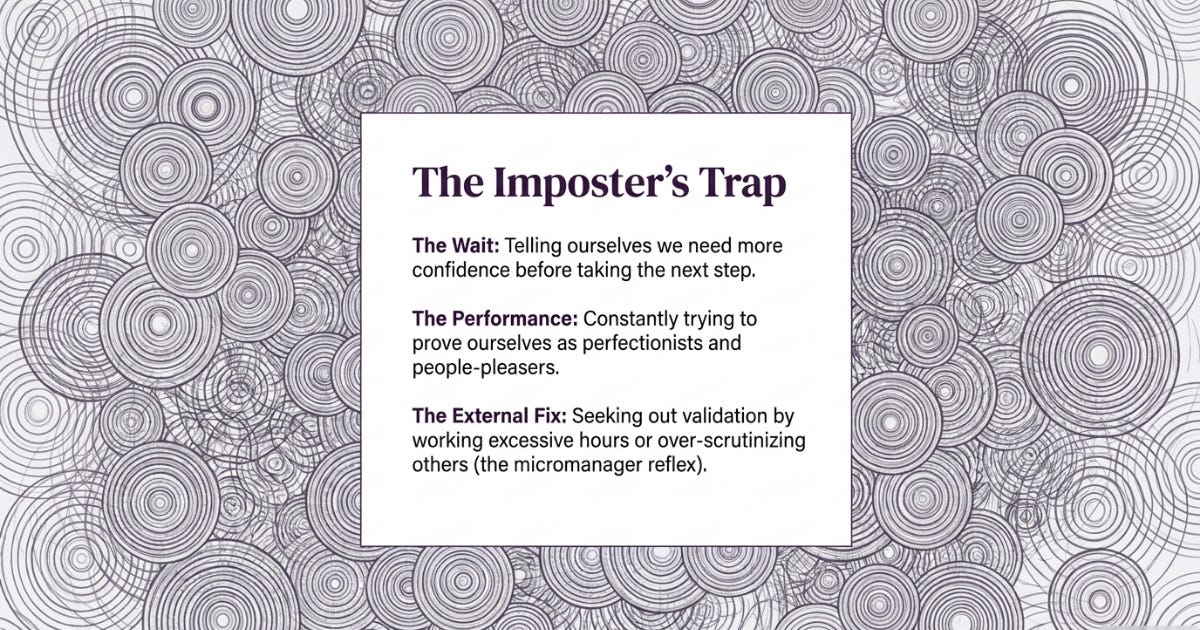
How often do we tell ourselves we need more confidence before we are ready for that next step? As perfectionists and people pleasers we are constantly trying to prove ourselves. It’s how we fight the imposter syndrome that creeps up on us whenever we are stretched beyond our comfort zone.
On that first day back I was told by 4 senior leaders (1 who I had never met before) that they had no work for me and I had to find myself something else to do. I had been in a temporary role when I left with the understanding that I would find a new position when I returned. Such an unhelpful welcome back when I was already struggling with the return to work self doubt.
In those first 3 weeks I went from no real responsibility, to being given a massive project with high expectations and was so complex it had been shelved multiple times. After working on it for just 2 weeks I was approached by the responsible Senior Executive and told:
“I have never seen anyone deliver they way you do in this organisation. I have more work I need you to do.”
Quite often we are stepping outside of our comfort zone, it can feel stressful and overwhelming. It is easy to cling to that feeling and blame a lack of confidence for that feeling. We look to others to provide support and advice, wait to be recognised for our efforts or seek out validation by working excessive hours or over scrutinising the work of others. (cough micromanagers)
But none of that builds confidence.
I have been speaking to some TedX Coaches in my network lately, and one of their rules is no definitions. But I am going to break this rule for 2 reasons.
This isn’t a TedX talk. It’s my article so I make the rules.
While you may think you know the definition of confidence I want you to read it for yourself.
Confidence is defined as the trust in your own ability.
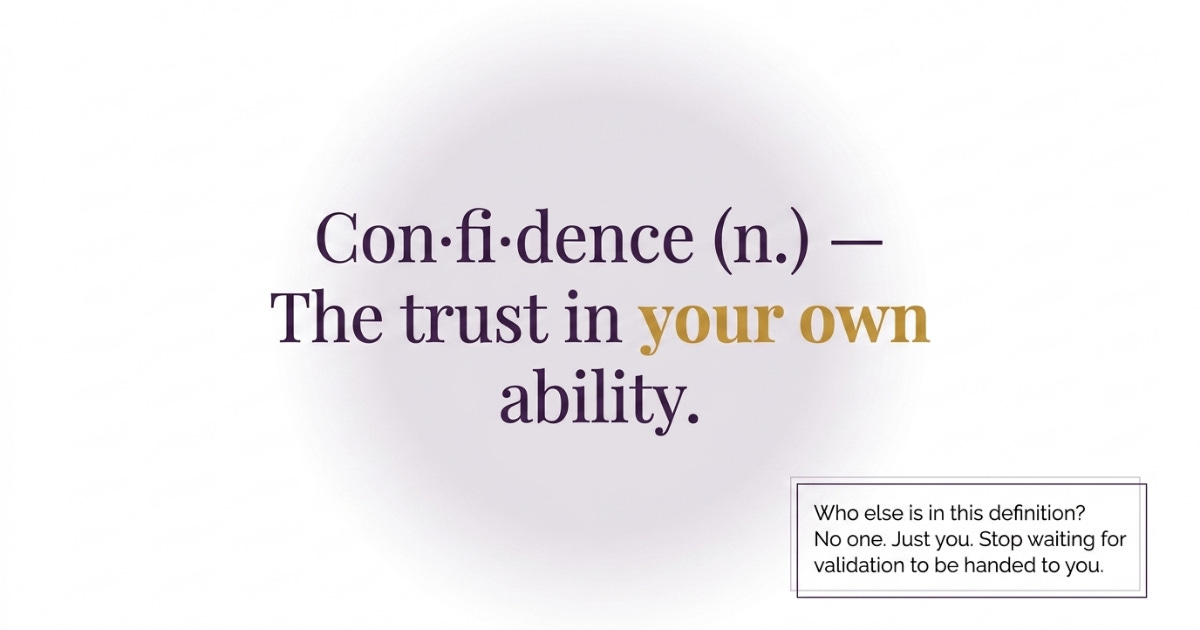
While you are reflecting on this I want you to consider, who else is referred to in this definition other than you? No one. Just you. So stop waiting on validation or confidence to be handed to you by others. Instead you need to reach out and take.
Confidence is a muscle that needs to be built. You build confidence through practice, stepping out of your comfort zone and doing something different. Then doing in again, this time a little better.
A couple of months after my return I found a more permanent role. The catch was it was managing technical subject matter experts in something I had no idea about. As I stood in front of a metaphorical revolving door again, I made an important decision. To step out of my comfort zone and lean on my strengths. I used my leadership experience to engage not only the team but both government and industry stakeholders. I wasn’t afraid to ask questions, and I asked a lot. I asked my team for their input and expertise and supported them in areas where I had experience and skills. My different approach received a lot of positive comments from the team and my colleagues. One person emailed me to say:
“You are a star. We haven’t gotten this much support from your team ever. I have never seen someone make such an impact in such a short time.”
You don’t need more confidence. You need to understand the unique value only you can bring.
Because once you know your value... confidence becomes the by-product.
How do you find that value and build your confidence?
Breaking barriers
Understand what’s been holding you back, redefine what confidence really is, and learn how imposter syndrome can actually work in your favour. Often how we feel about ourselves has been instilled from an early age, and for many women that means some deep mindset shifts need to occur. Confidence is a muscle that needs regular exercise and will be stronger on some days than others, so to keep building it, you need to encourage failure, navigate mistakes, and embrace feedback (good or bad), because these are your opportunities to grow.
Bringing value
By defining your unique value, you’ll see how your leadership strengthens any team and you’ll stop worrying about speaking up in the “wrong” meetings, not having every answer, or being outshone by your staff. Build confidence by practicing science-backed techniques, like growth mindset exercises and enclothed cognition, while curating a leadership wardrobe, practicing gratitude, and drafting a leadership mantra to strengthen self-trust in any situation.
Deepen that self-trust by analysing your core skill set to identify the specific contribution you bring, then reframing both strengths and weaknesses as either contribute (when you have the skills) or question (when you don’t). Remembering that nobody knows everything. When you ask with confidence, people focus on your curiosity, not what you don’t know.
Being seen
Build presence and authority as a leader by showing you can lead experts regardless of how well you know the topic. Once Steps 1 and 2 have laid the groundwork, strengthen your presence through clearer, more assertive communication, powerful presentation, and sharing your ideas without waiting for the “perfect” moment, because speaking up is about joining the conversation, not having every answer. Expand your influence by leaning into networking, mentorship, and team-building so your reputation grows and your name is top of mind when opportunities arise.
Remember, confidence is self-trust.
When we understand our unique contribution, anxiety decreases because we stop performing and start contributing.
So step through that revolving door and see what’s on the other side.
If you want to know more about how you can find your value and start contributing, let’s connect.
Book a free 20 minute introductory call to find out how I can support you to bring value and be seen.